Ledger Login — How to Securely Access Your Ledger Wallet
In the world of cryptocurrency, security is everything. Your Ledger hardware wallet is designed to protect your digital assets, and understanding the Ledger Login process is essential for accessing your funds safely. Ledger Login is the method of connecting your hardware wallet to Ledger Live or other compatible interfaces, verifying your identity, and managing your crypto securely.
This guide will walk you through the login process step by step, explain security best practices, discuss common issues, and provide advanced tips for both beginners and mid-level crypto users.
What is Ledger Login?
Unlike traditional online accounts that use usernames and passwords, Ledger Login relies on your physical hardware wallet, a PIN code, and optional passphrases. This approach keeps your private keys offline, minimizing the risk of hacking.
Key components of Ledger Login:
- Device Authentication: Your Ledger must be physically present to access your wallet.
- PIN Verification: Protects against unauthorized access in case of theft or loss.
- Optional Passphrase: Adds an extra hidden layer of security for advanced users.
Step-by-Step Guide to Ledger Login
Step 1: Connect Your Ledger Device
Plug your Ledger wallet into your computer using the supplied USB cable. Always ensure your device is genuine and purchased from official sources to avoid counterfeit risks.
Step 2: Open Ledger Live
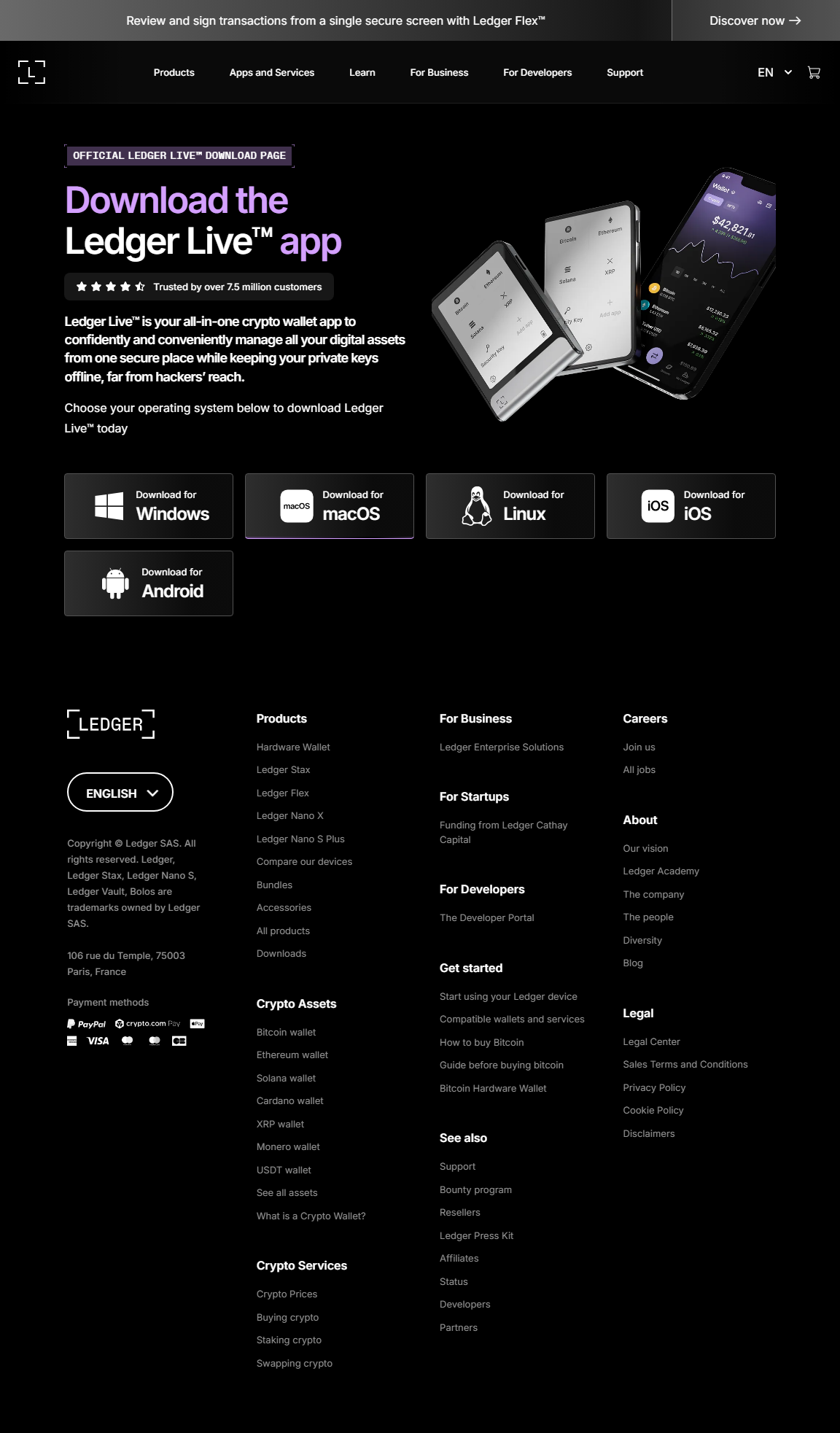
Ledger Live is the official application for managing your Ledger wallet. Available for Windows, macOS, Linux, and mobile, it automatically detects your device upon connection.
Step 3: Enter Your PIN
Your PIN, set during wallet initialization, unlocks your device. Ledger devices use randomized on-device PIN entry screens to prevent keylogging. Enter carefully to access your wallet.
Step 4: Enter a Passphrase (Optional)
If you have enabled passphrase protection, you will be prompted to enter it after the PIN. Passphrases create hidden wallets that cannot be accessed without the exact phrase.
Step 5: Access Your Wallet Dashboard
Once authenticated, you can view balances, send and receive cryptocurrencies, install coin-specific apps, and track transactions. Every transfer requires physical confirmation on the device.
Best Practices for Ledger Login Security
- Always use the official Ledger Live app or web interface.
- Never share your PIN or passphrase.
- Keep your device firmware updated via Ledger Live.
- Enable passphrase-protected accounts for sensitive funds.
- Avoid logging in on public or untrusted computers.
- Disconnect your device when not in use.
Common Ledger Login Issues
Device Not Recognized
If Ledger Live cannot detect your device, try reconnecting the USB cable, using another port, or restarting your computer. Always use the official Ledger cable.
Incorrect PIN Entry
Ensure you enter the correct PIN. Ledger devices lock temporarily after multiple failed attempts to prevent unauthorized access.
Passphrase Confusion
Hidden wallets require the exact passphrase. Passphrases are case-sensitive, and there is no recovery if the phrase is lost.
Software Issues
Make sure you are using the latest Ledger Live version. Clear your browser cache if using web-based login and disable conflicting extensions.
Advanced Tips for Experienced Users
1. Use Multiple Passphrase Wallets
Create multiple hidden wallets using different passphrases for separating funds or improving privacy.
2. Session Management
Disconnect your Ledger when not in use. Ledger requires physical confirmation for transactions, which reduces the risk of unauthorized access.
3. Firmware Verification Before Login
Ensure your device firmware is up to date before logging in. Ledger Live verifies firmware authenticity before installation.
4. Backup Recovery Seed
Your recovery seed is the ultimate backup. If your device is lost, stolen, or damaged, the recovery seed allows you to restore your wallet on a new Ledger or compatible device.
Why Ledger Login Is Safer Than Exchange Logins
Unlike exchange wallets that rely on passwords stored online, Ledger Login requires physical possession of the device. Even if someone compromises your computer, they cannot access your funds without your Ledger device, PIN, and optional passphrase.
FAQ: Ledger Login
1. What is Ledger Login?
Ledger Login is the process of connecting and authenticating your Ledger hardware wallet using the device, PIN, and optional passphrase.
2. Can I log in without my device?
No. The physical Ledger device is required for authentication.
3. What if I forget my PIN?
You will need to reset the device and restore the wallet using your recovery seed.
4. How do I keep my login secure?
Use only official Ledger Live apps, keep firmware updated, and enable passphrases.
5. Can multiple users access the same Ledger wallet?
Yes, if they know the PIN and passphrase. However, sharing access is not recommended for security reasons.
6. Is web-based Ledger login safe?
Yes, if using official Ledger-supported browsers or web interfaces. Always verify the URL and SSL certificate.
Conclusion
Ledger Login provides a secure, user-friendly way to access your cryptocurrency. By combining device authentication, PIN verification, optional passphrases, and Ledger Live, you maintain full control over your funds while keeping them offline and protected. Following best practices ensures a safe crypto experience for both beginners and mid-level users.